THE FIELD GUIDE
Skender Dragosti in The Blood of Dawnwalker
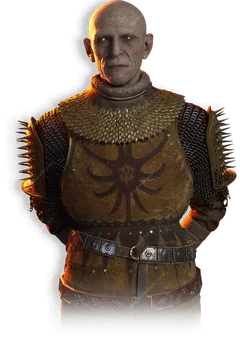
Skender Dragosti was the human knyaz of Vale Sangora before Brencis. His rule is remembered for exploitation and the massacre at Shrike’s Crag. Although he is already dead when Coen’s main journey begins, his surviving son Catalin, former servants and scattered records keep his legacy present.
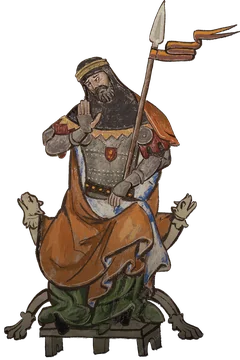
The Dragosti ruler who inherited Vale Sangora
Skender became knyaz in 1324 after his father, Stelian Dragosti, died in a hunting accident. History of Vale Sangora, Vol. 3 contrasts the stability attributed to Stelian with the harshness of his successor. The family had held power for decades, so Skender inherited an established dynasty rather than founding a new regime.
“Knyaz” is his ruling title; “Dragosti” is his family name. References to Knyaz Skender, Skender Dragosti and the former knyaz point to the same man. Brencis later takes the office, while Catalin’s claim rests on descent from Skender.
What his laws demanded of ordinary people
Codex Dragosticus gives Skender’s own formulation of authority. He presents his right to govern as granted by God, then attaches corporal punishments to insults, damage to his likeness and failures to show deference. Speaking against his rule or defacing his image earns thirty lashes; failing to bow or give way to his retinue earns ten.
The code reaches beyond rebellion into everyday behaviour around the ruler and his castle. It punishes interference with the town crier and even specifies conduct near Greifberg’s main gates. Public respect is enforced through physical punishment.
These details explain why accounts of Skender emphasise fear. The threat is not confined to armed opponents: a subject can be punished for speech or a gesture. Reading the law alongside later praise of his reign exposes the distance between official dignity and the experience imposed on his subjects.
 Identify Codex Dragosticus
Silver, guilds and Greifberg’s dungeons
Mining wealth supported Skender’s power. In Soggy Letter, Grgur sends Sandor to inspect supports in the mine’s lowest levels because the knyaz wants production increased. Old galleries may be reopened for remaining silver, despite the workers’ fear of knockers. The letter connects the demand for revenue with a specific task pushed onto a miner.
His government also regulated urban work. The Guilds’s Charter of 1336 requires traders and artisans operating in Svartrau to belong to an appropriate guild. The knyaz appoints the first masters and limits apprentice numbers through his patents. The stated aim is quality, but the rules also place access to the city’s trades under the ruler’s approval.
Brother Albertus offers another view of where the wealth went. In The Secret History of Vale Sangora VII, he describes Skender as impressive in appearance and merciless in practice. He says mine revenue expanded Greifberg’s dungeons and recalls seeing bloodstained cells himself.
 Soggy Letter: the demand for more silver
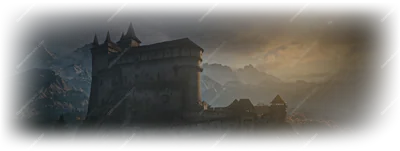 Greifberg Castle and its later use
The massacre at Shrike’s Crag
The peasant uprising began in 1333, nine years into Skender’s reign. His forces crushed the rebels at Shrike’s Crag, an old quarry in Boar’s Back. The survivors received no mercy. This became the event by which many inhabitants remembered him, long after the immediate rebellion had ended.
The surviving accounts differ sharply in sympathy. The Peasant Uprising in Vale Sangora praises the suppression as the proper defence of a divinely ordered society. Anonymous Diary describes a nearby resident watching the slaughter and hearing the victims’ suffering. Despite their opposing judgements, both portray deliberate, extreme punishment rather than an ordinary negotiated surrender.
Call to Revolt shows the massacre’s longer effect. Its writer urges renewed resistance while acknowledging that the memory of Shrike’s Crag still frightens people more than a decade later. Skender’s victory stopped that rebellion, but the resentment behind it survived.
 Anonymous Diary: a witness to the massacre
Why Brencis’s takeover found supporters
Brencis overthrew and killed Skender. For people who had lived under the old knyaz, his defeat could initially look like deliverance. That gratitude explains an important part of the vampires’ reception without making every claim of the new regime trustworthy.
Skender’s Sins turns the old ruler’s cruelty into an argument for Brencis. It claims that Brencis first offered the nobility safe departure if they abandoned their wealth, and that Skender refused. It then praises an immortal ruler’s wisdom over generations of human nobles. The proposed peaceful settlement is the pamphlet’s account; its openly celebratory purpose should remain part of how you read it.
Other voices resist that promised improvement. Hanged Man’s Letter describes a succession of misery under Skender, the plague and the vampires. Its writer rejects the claim that blood drinking becomes benevolent simply because it is presented as holy communion.
 Brencis, Skender’s successor
People who carried his history into the new court
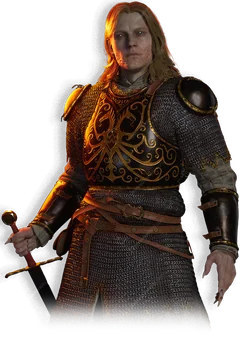
Ambrus served Skender as a mercenary before becoming one of Brencis’s vampire lieutenants. Second Letter from Rozalia mourns his imprisonment after he defied the old knyaz. It places a personal relationship behind the later boyar’s public role and shows that hostility to Skender also reached people who had served him.
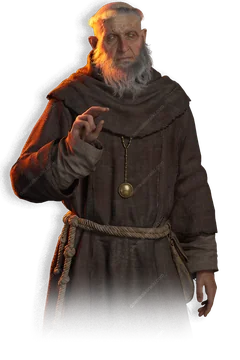
Father Florin had heard Skender’s confessions and later became a leading priest of the Blood Covenant. His continuity links the religious life of the old court to the worship promoted under Brencis.
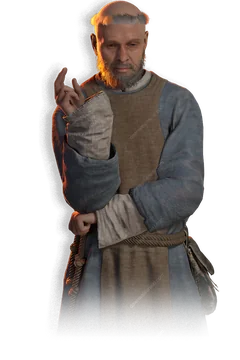
Albertus’s writings reveal a different compromise. In The Secret History XII, he admits praising Skender’s supposed virtues while omitting his crimes as instructed. That admission helps explain why polished accounts of the reign should be compared with private letters and testimony.
 Ambrus before and after Skender
 Florin and the changing court
 Albertus and the Secret History
Catalin and the surviving Dragosti claim
Catalin is Skender’s surviving son and heir. He left Vale Sangora after the coup; accounts of his travels describe a search for support to restore his family.
Silver Cache Letter makes that cause tangible. Sergeant Erik identifies the hidden wealth as Catalin’s and describes an attempted transport out of the valley that failed as monsters killed or wounded the escort. He asks whoever finds it to return it to the heir or use it against the usurpers.
Other records connect Dragosti symbols with resistance activity. Instructions requests banners bearing Skender’s arms, while Search for Manumit Caches tells guards to watch for a similar sigil. Those clues explain the political meaning of a familiar emblem; they do not make every rebel’s motives identical.
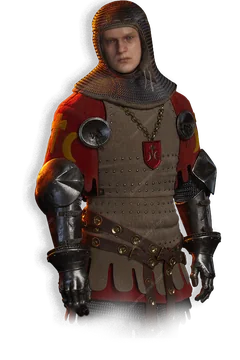 Catalin: the son and heir
How Durandal became part of Skender’s story
Arman’s Letter to Skender identifies its sender as Skender’s cousin and presents a sword as a gift in return for his generosity. Arman calls it Durandal, links it to Charlemagne and Roland, and says his vassal learned its identity through an angel in a dream.
The letter establishes the gift and the claim attached to it. It does not independently prove the sword’s legendary provenance. Arman himself anticipates Skender’s doubts before insisting that the vassal is trustworthy, making the uncertainty part of the document rather than something to erase from the story.
For Coen, the lost-treasure lead is The Cursed Chasm. Durandal can be found below the collapsed bridge west of Briar Sloughs. Use the weapon entry for the acquisition context and properties.
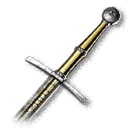 Durandal: location and weapon effects
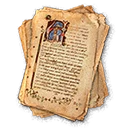 Arman’s Letter to Skender